

Meet Sandi

Sandi Higgins
Yoga Teacher, Author, Actress, Filmmaker
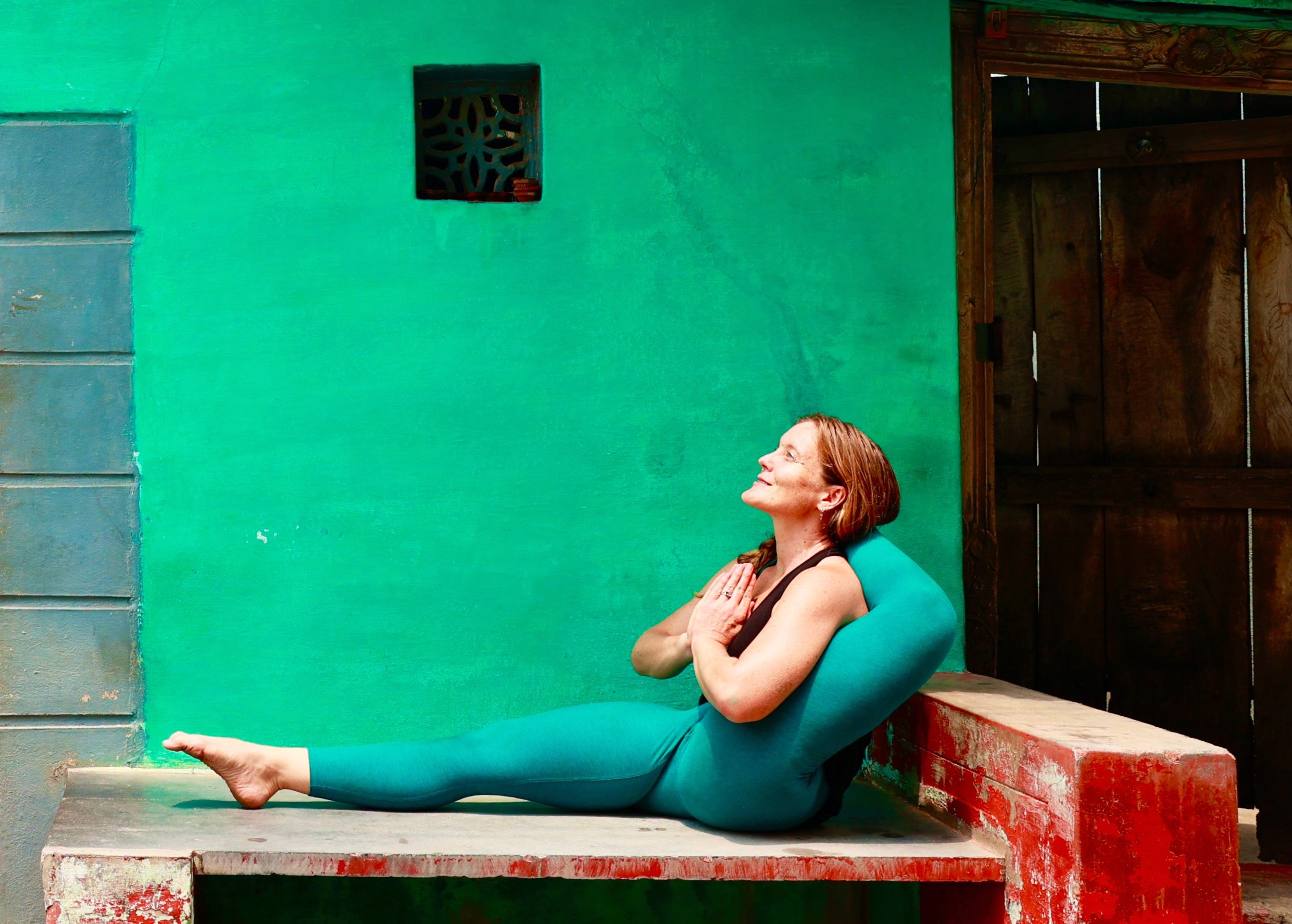
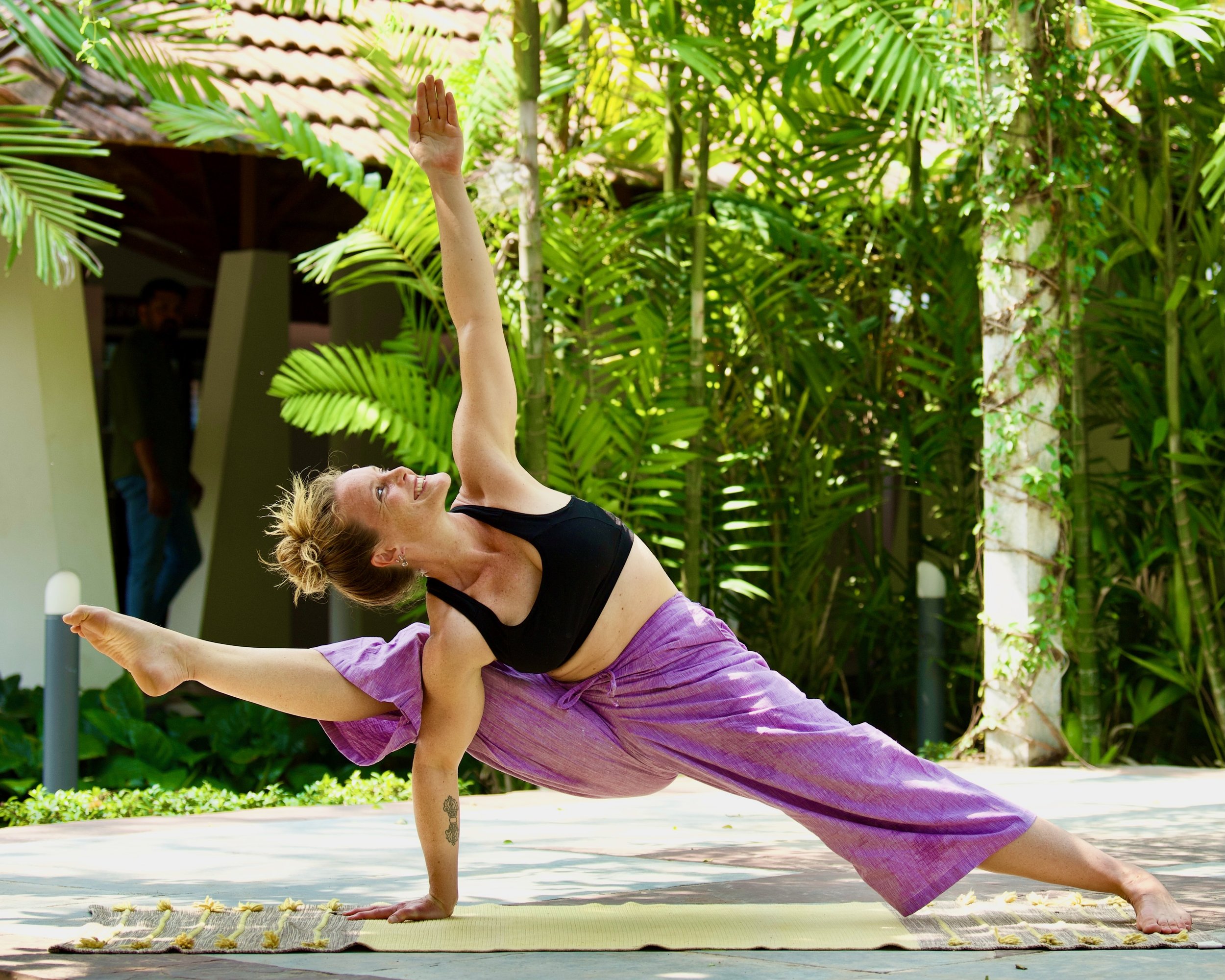
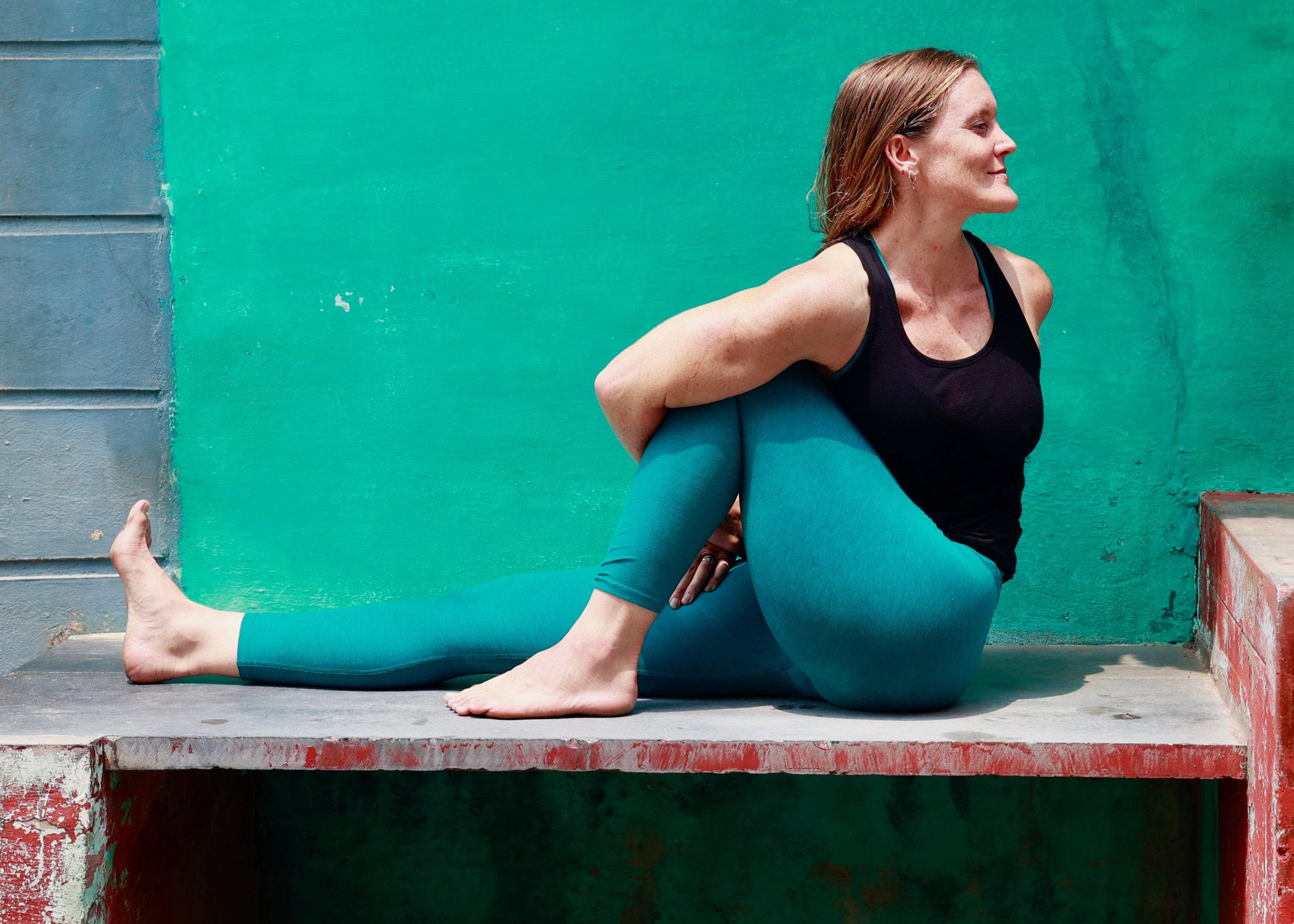
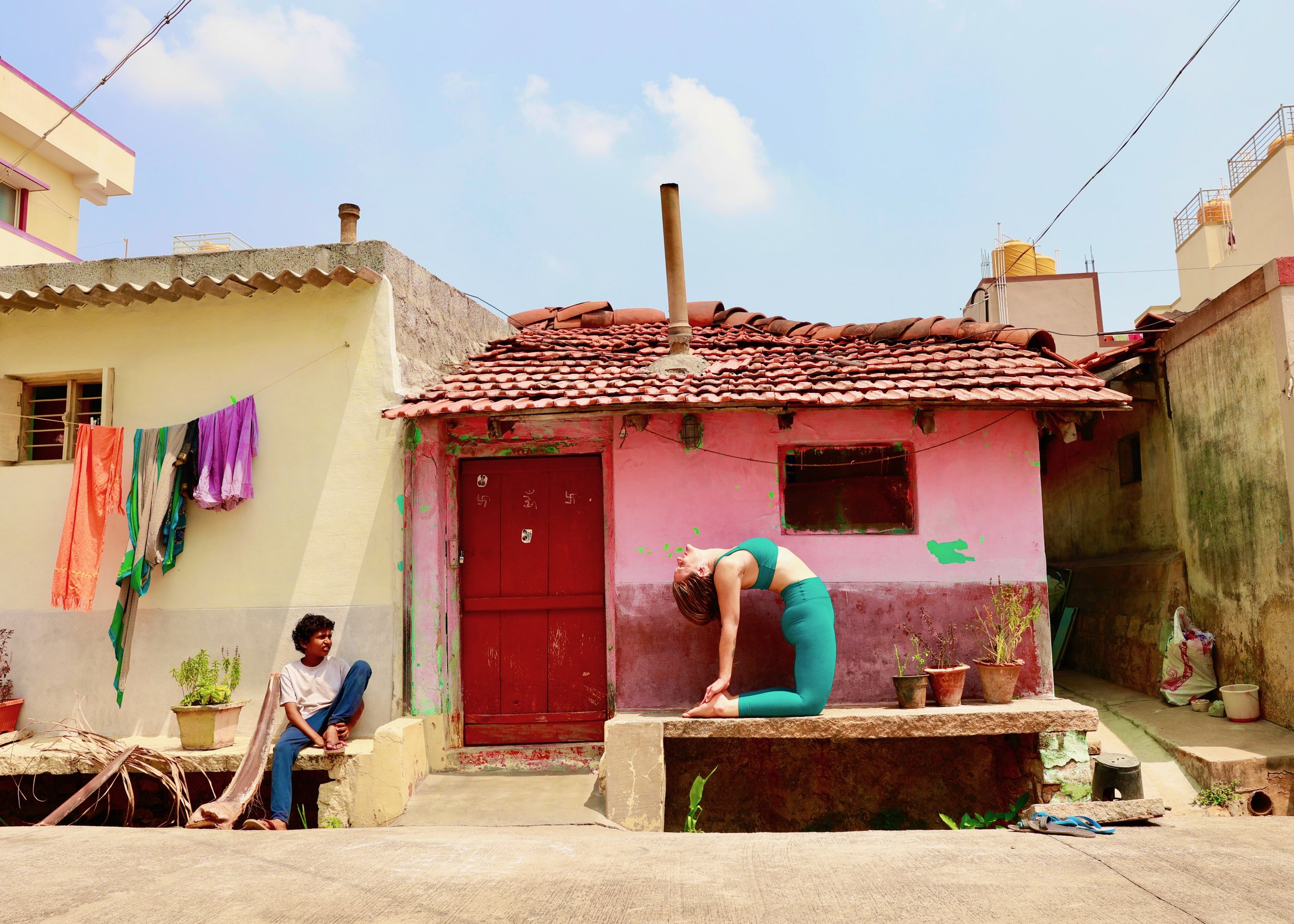
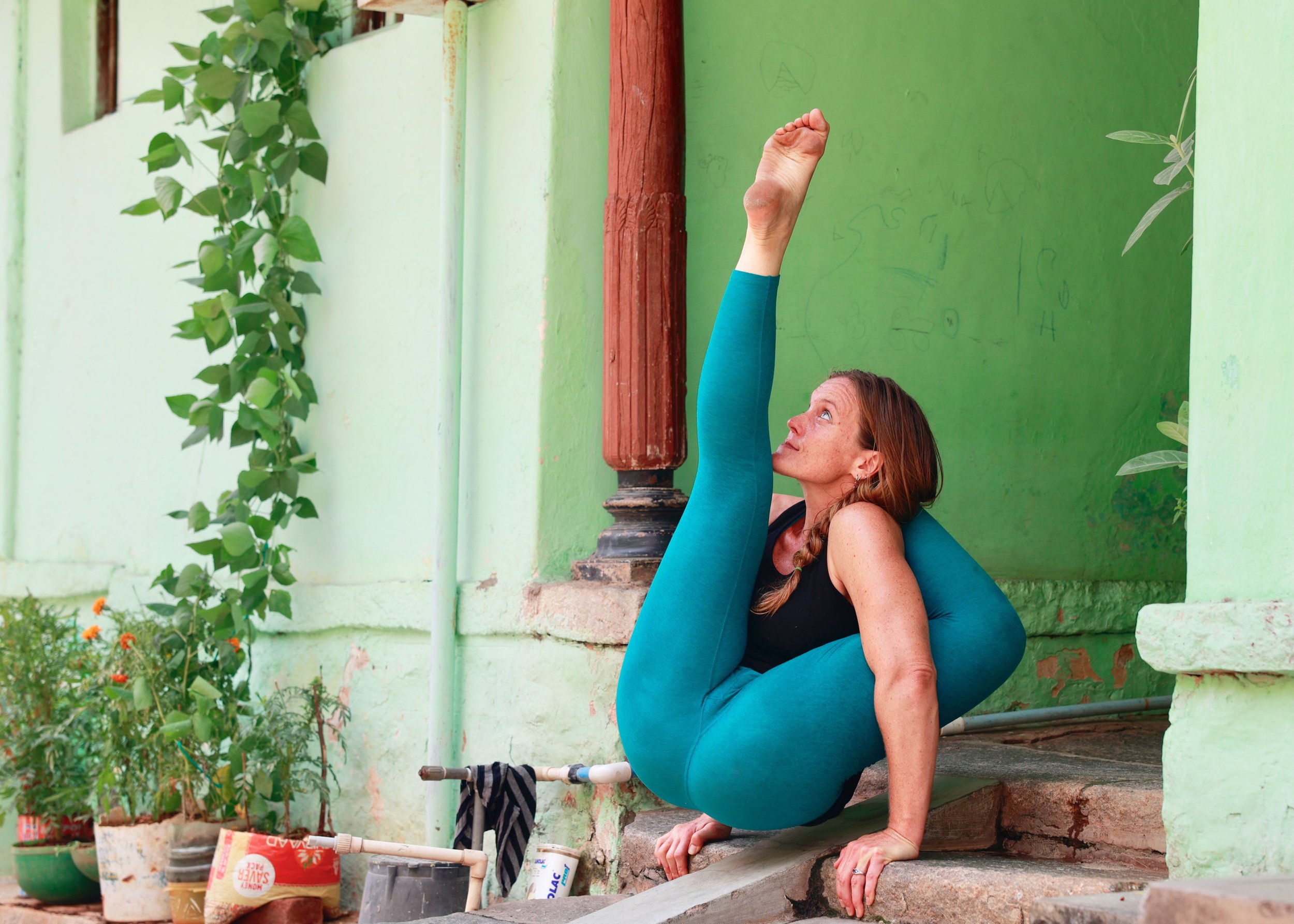
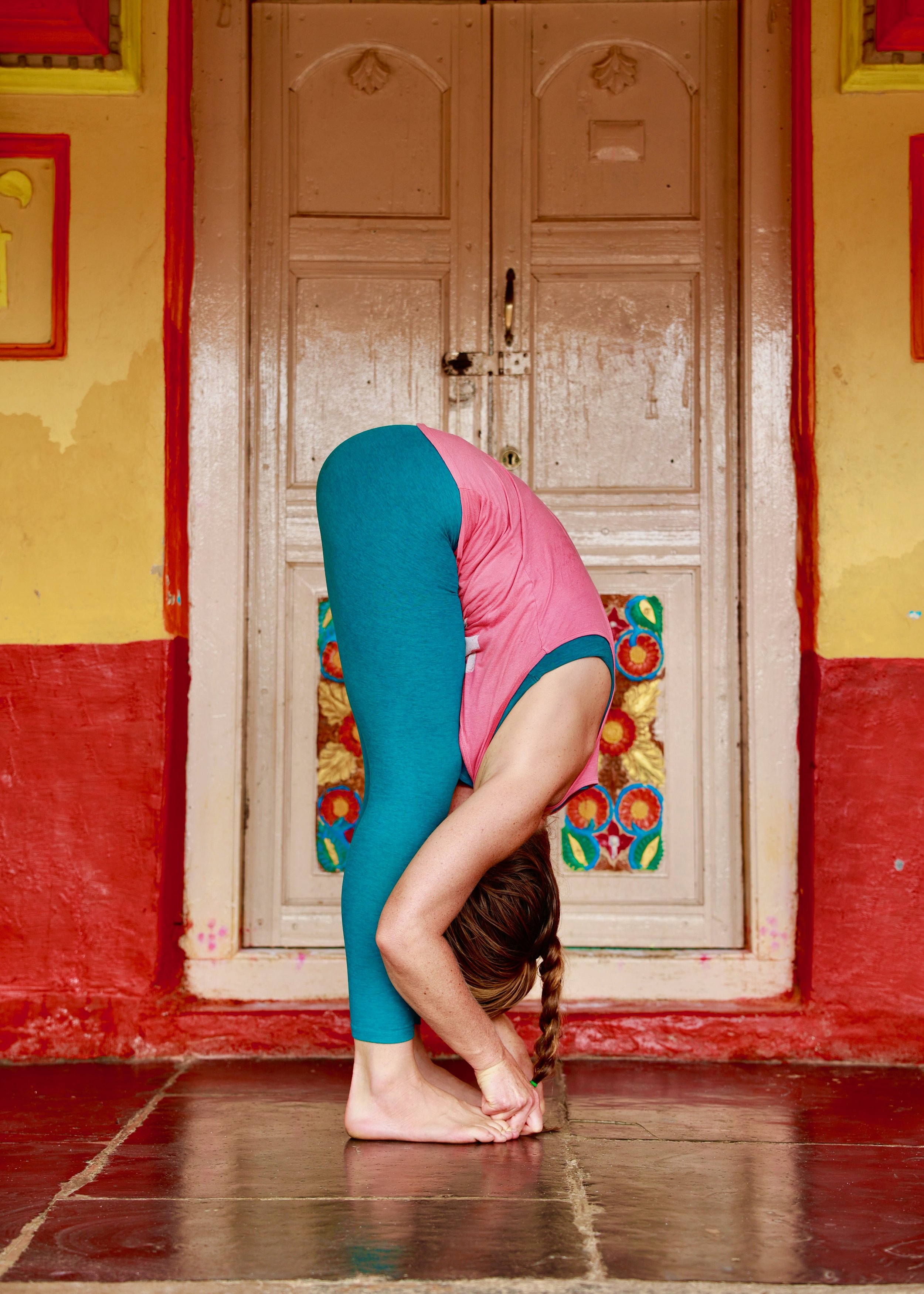
Sandi Higgins is an international Ashtanga yoga teacher, multilingual storyteller, and aspiring natural farmer.
Rooted in the Mysore yoga tradition of South India and shaped by formative years in international filmmaking and improvisational theater, she brings dharma and devotion into dialogue with the creative arts as a pathway back to Nature, wholeness, and freedom.
Join Sandi for: yoga sutra studies, private practice, online workshops, holistic retreats, poetry, writing and language learning circles, and an array of yoga classes.
You can also connect with Sandi on:
My Journey In Brief

like a River
Namaskara, I grew up between two households, two classes, two versions of the American dream.
My mom and dad divorced when I was a toddler and my single mother raised me with her hard work and frugality in a suburban middle-class home all on her own. She did everything she could to give me a life like every other kid who had a father at home, even though we didn’t.
Meanwhile, my father and stepmother, Shark Tank superstar Barbara Corcoran, would sporadically sweep me and my siblings away on weekends to their NYC pent houses, country, and beach houses, and on vacations around the world in the undercurrent of Upper East Side glamour.
Moving between these realms taught me to become a chameleon in different surroundings, a listener, a translator, a dancer between worlds. That early choreography between contrasting realities became a lifelong journey, a dance I’m still learning to honor.

The Call of Story
From high school through university, I was drawn to the performing arts, especially writing, theater, and filmmaking. I chased light, sound, and story across languages and cultures. I studied Film and French at NYU TISCH School of the Arts and made my way from the USA to Europe. I worked on organic farms in the North and South of France.
In Paris, I published my first poetry book and interned at an international co-production office that was producing indie films with American icon Oliver Stone.
Then I resumed studies in Italy, trained in Commedia dell’Arte, and eventually came back to NY where I finished my university degree, performed in experimental theater.
I worked with Hollywood legend Sydney Pollack on his last blockbuster feature film, The Interpreter.
Amidst the thrill of creative work, my life unravelled.
The Pause and the Pulse
Trauma pressed a total pause on my performative ambitions. The camera stopped rolling. My pen went quiet. I lost my creative voice — not all at once, but gradually, the way the sun sets before nightfall. My twenties and thirties became a quiet revolution. I grappled with post-traumatic stress, toxic relationships, grief, and loss.
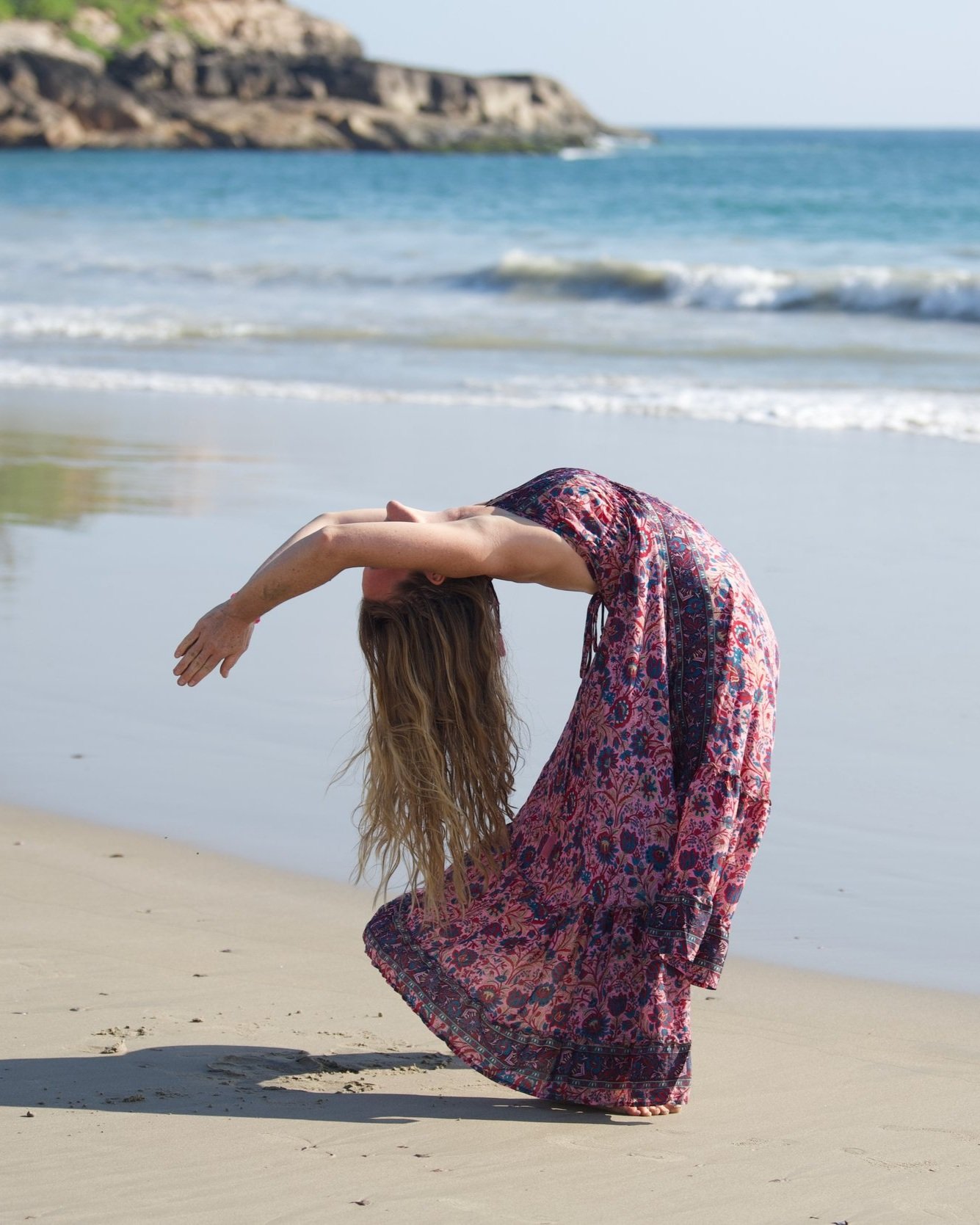
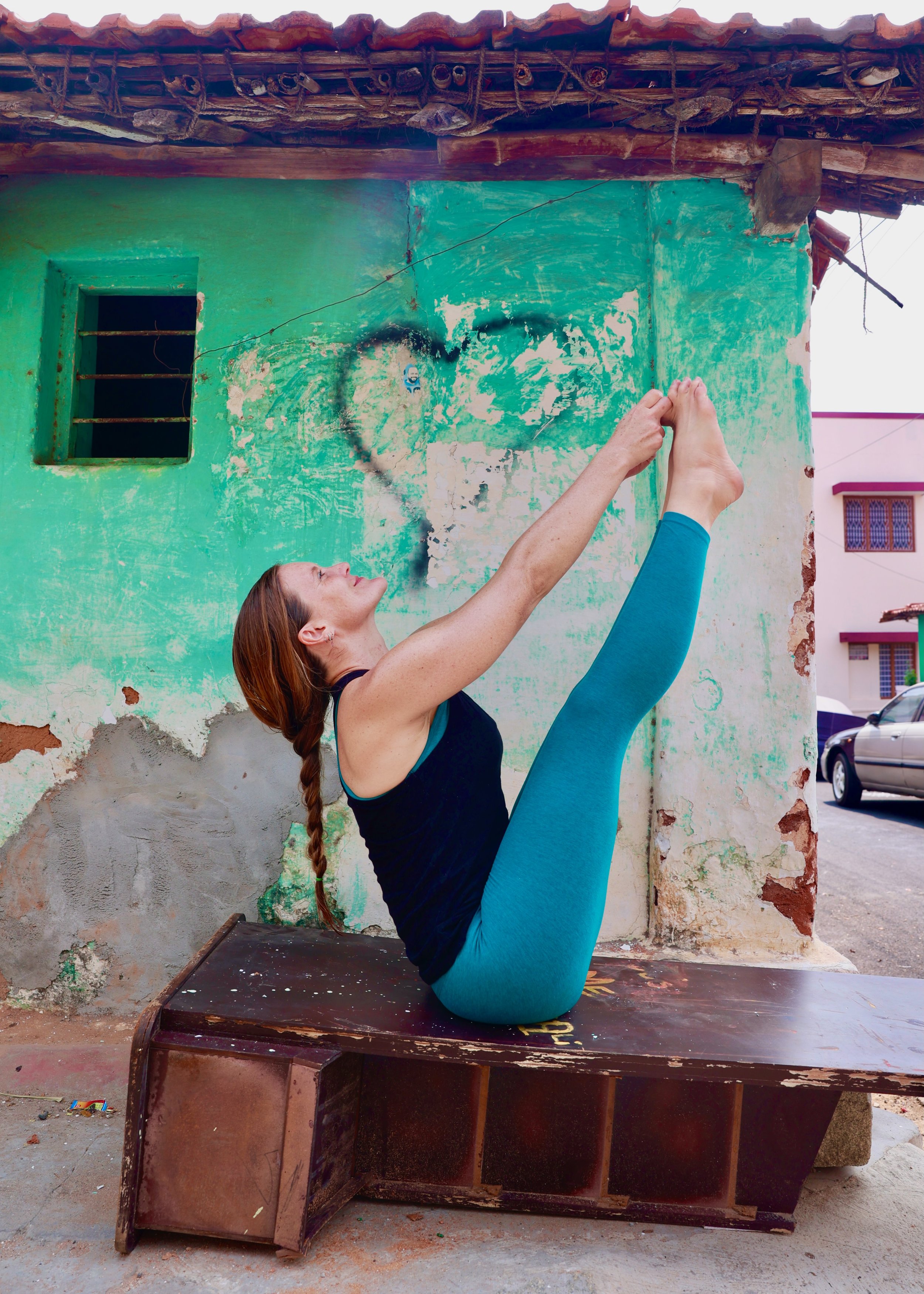
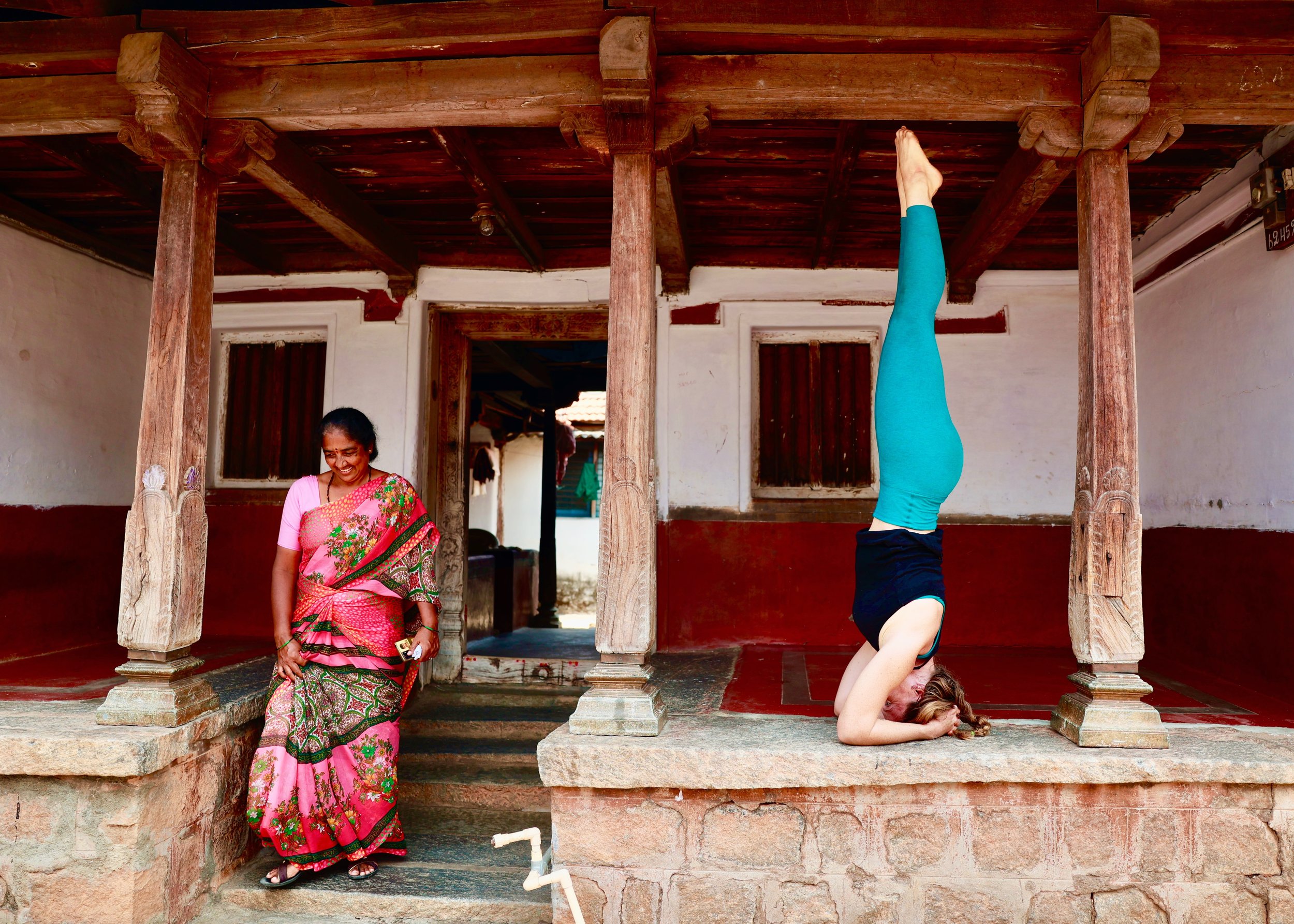
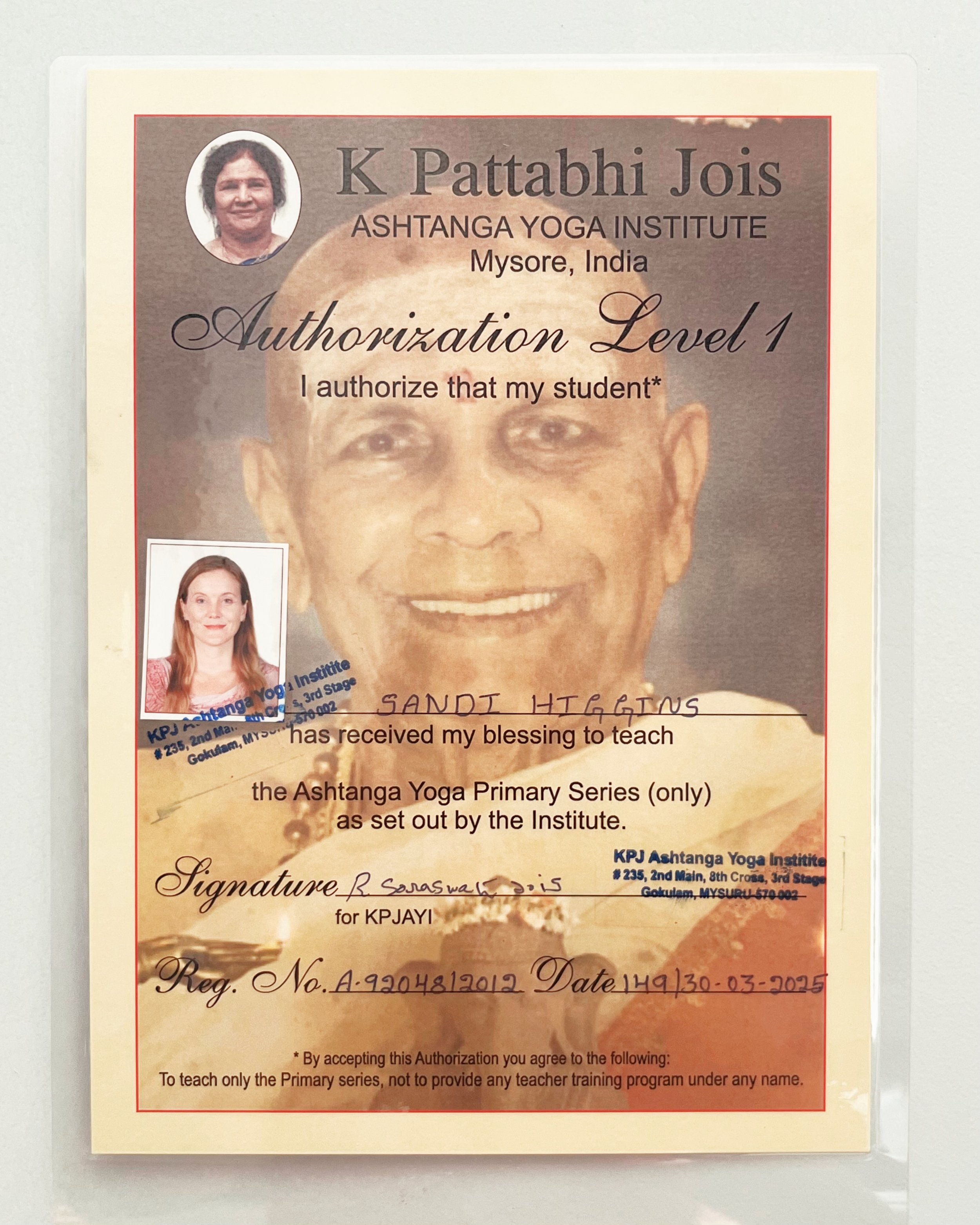
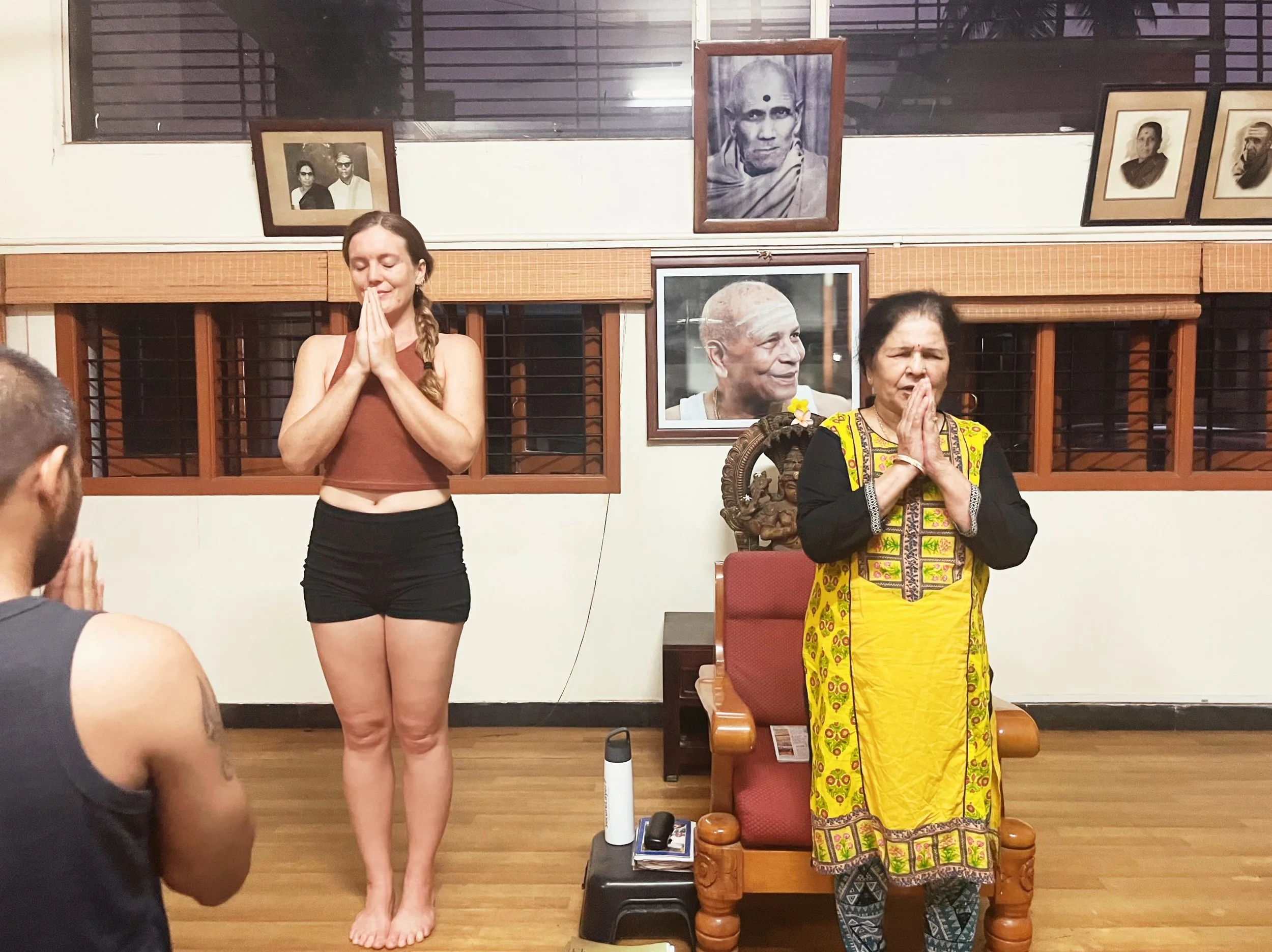
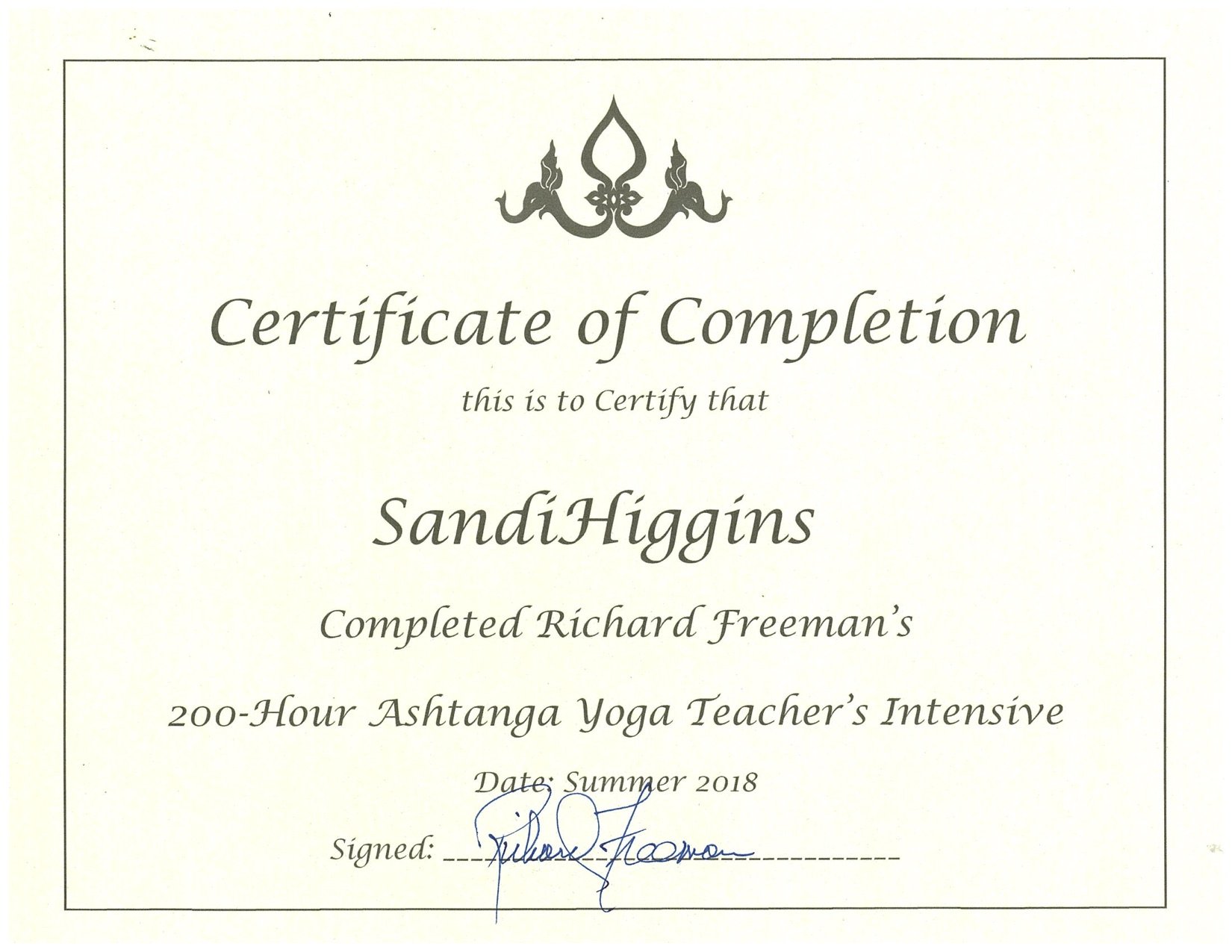
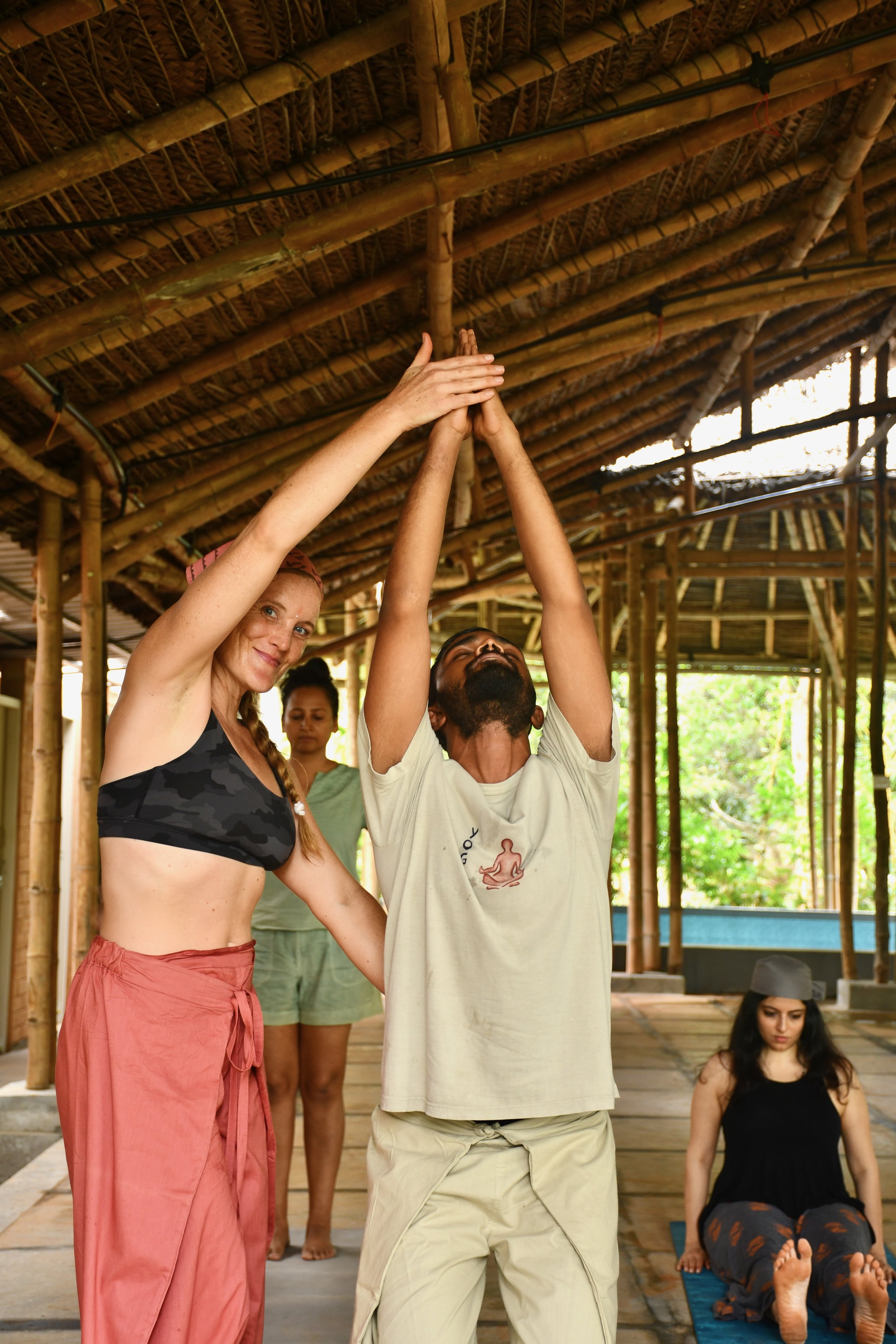
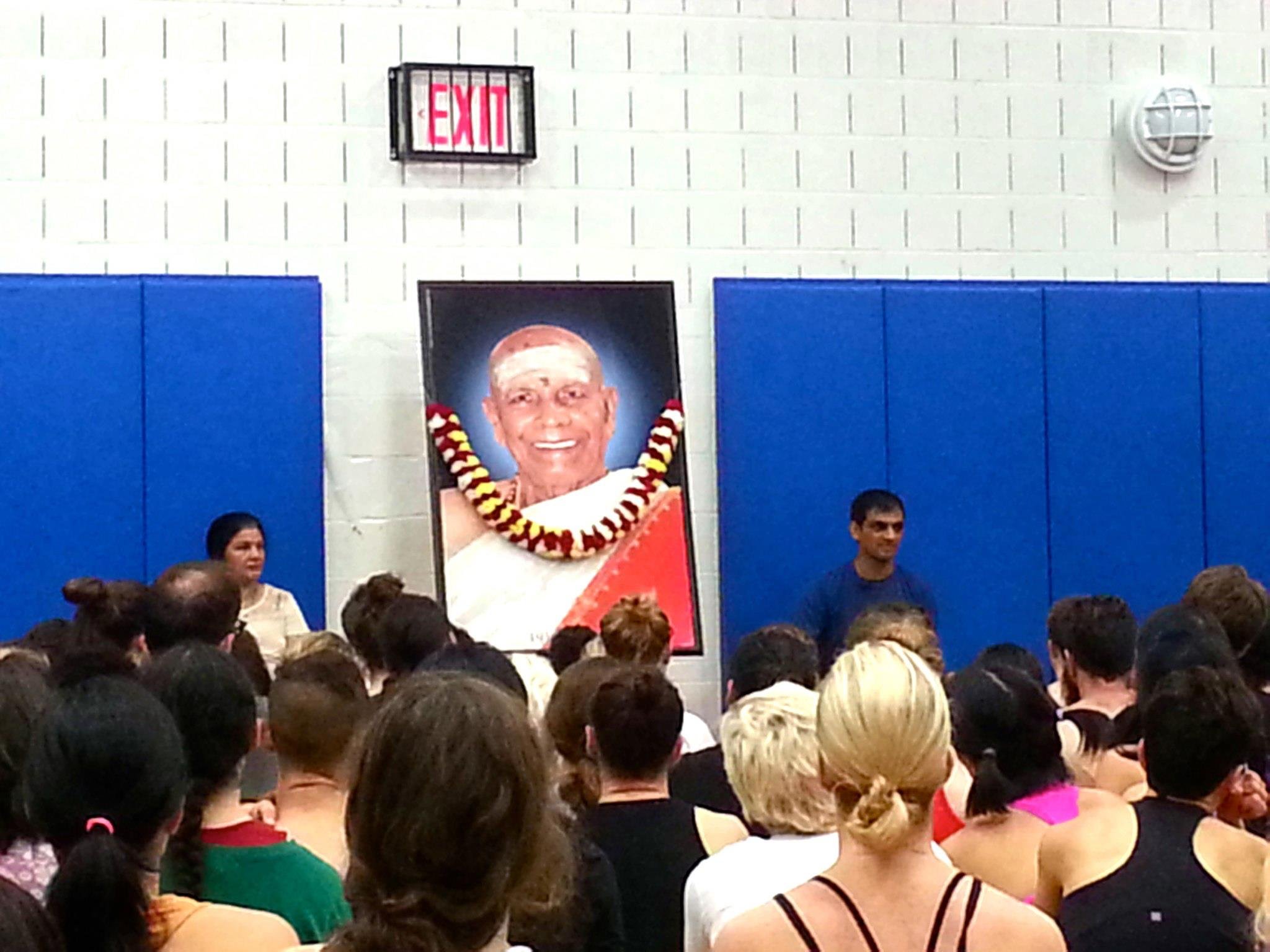
In the dark, I found the real blessings of yoga. I discovered its mind-body alchemy. Yoga was not a quick fix but a daily tunneling through turmoil. Experiencing its transformative power, I became a yoga teacher. I trained with several teacher certification programs in the West, exploring different modalities. But it was the Mysore Ashtanga method that called me home. Rooted in Indian tradition, it gave me a steady rhythm, a devotional discipline, a way to show up with humility. After twelve years of dedicated practice, I was honored to receive teaching authorization at the source of the lineage in Mysore, South India.
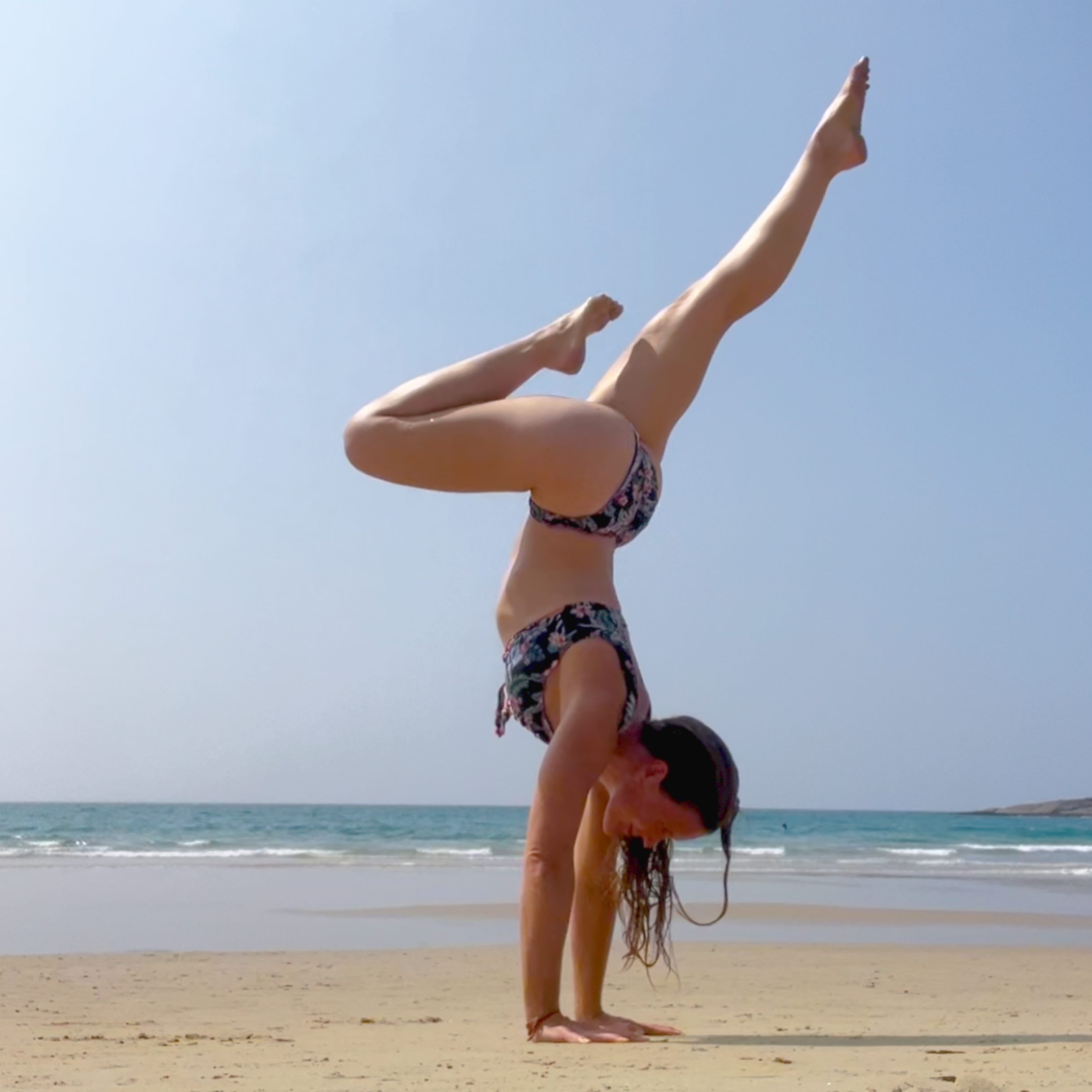
Through Ashtanga, Buddhist meditation, kirtan, aquatics, and dance, I began to glimpse the light at the end of the tunnel and all along the way. I reconnected with my creativity — not all at once, but gradually, the way the sun rises at dawn.
Yoga didn’t give me my old self back. It helped me shed what was never mine, like a snake releasing old skin. I learned to sit with silence. To sit in the dark and the light. To befriend this body-mind-spirit.
I found a deeper listening and a steadier pulse.
Current Rhythm
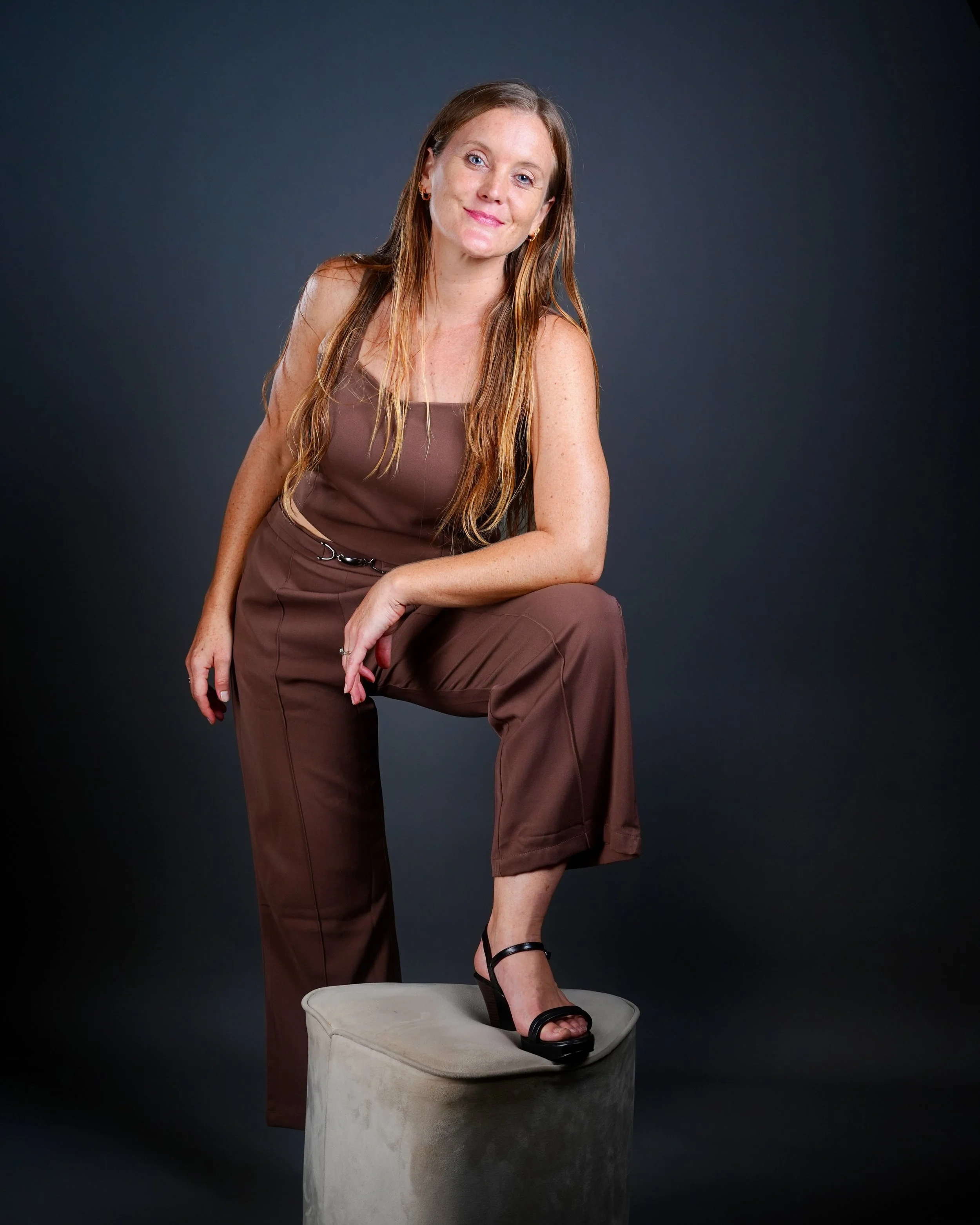
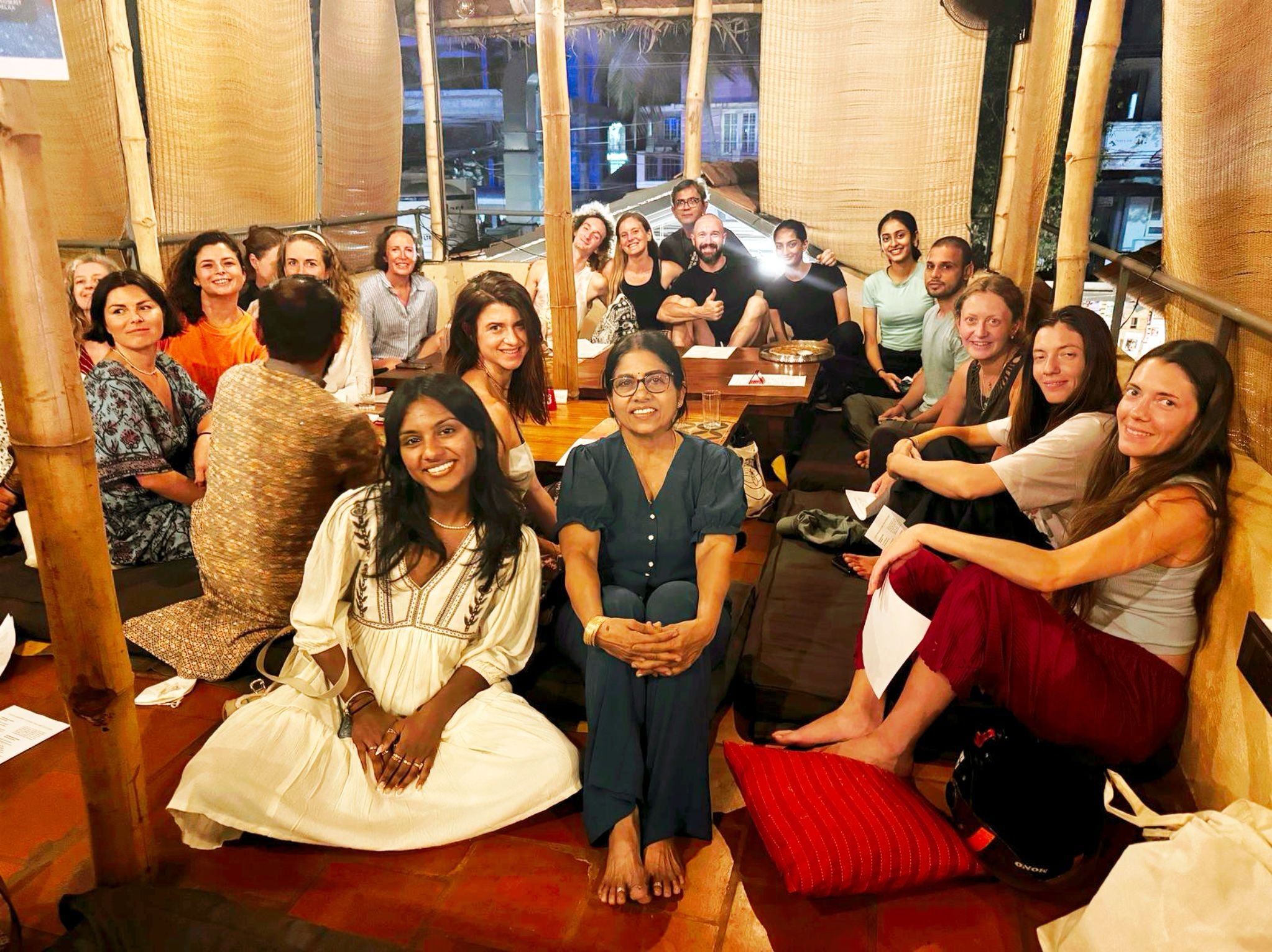
Today, my work is weaving wisdom and compassion together with creative voice and vision. I am no longer creating a life for the adult in me who wants to keep up. I am creating a life for the child in me who still wants to play. I teach Mysore Ashtanga Yoga, Aquatics, and Meditation. I write creatively, sing kirtan, play in improv theater, and make movies. I host retreats, workshops, ongoing classes for practice and philosophy, tend gardens, and guide others across healing thresholds.
Between India and the USA, I live in the confluence of cultural dialogues from urban, coastal, and rural living. I honor tradition and innovation, solitude and community, in devotion to truth, beauty, and becoming/being whole.
In a world bent on commodifying culture, fracturing the climate, and keeping us disconnected from the rhythms of Nature and community, I believe our sacred task is this: to connect deeply with the Earth and each other, express creatively, and let the wild intelligence of the outdoors breathe through us in all her languages, colors, rhythms, and forms.
Every offering I share is an invitation to listen inwardly, find your truth, trust your heart, and come home to the story that only you can tell.



























“We are relative. We are mature in one realm, childish in another. The past, present, and future mingle and pull us backward, forward, or fix us in the present. We are made up of layers, cells, constellations.”
— Anaïs Nin