

Plant-Based Living
Rooted in Study. Grown through Experience.
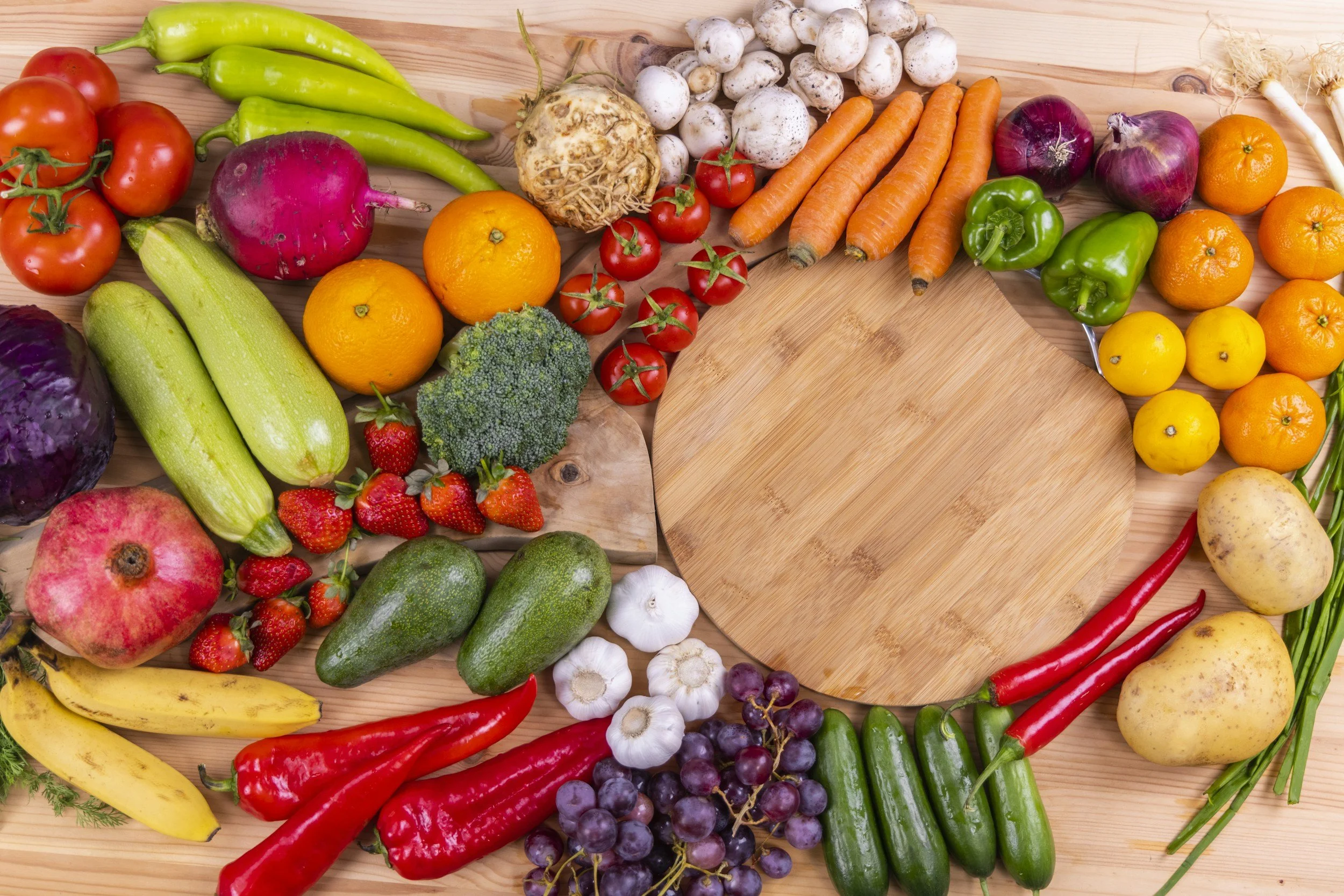
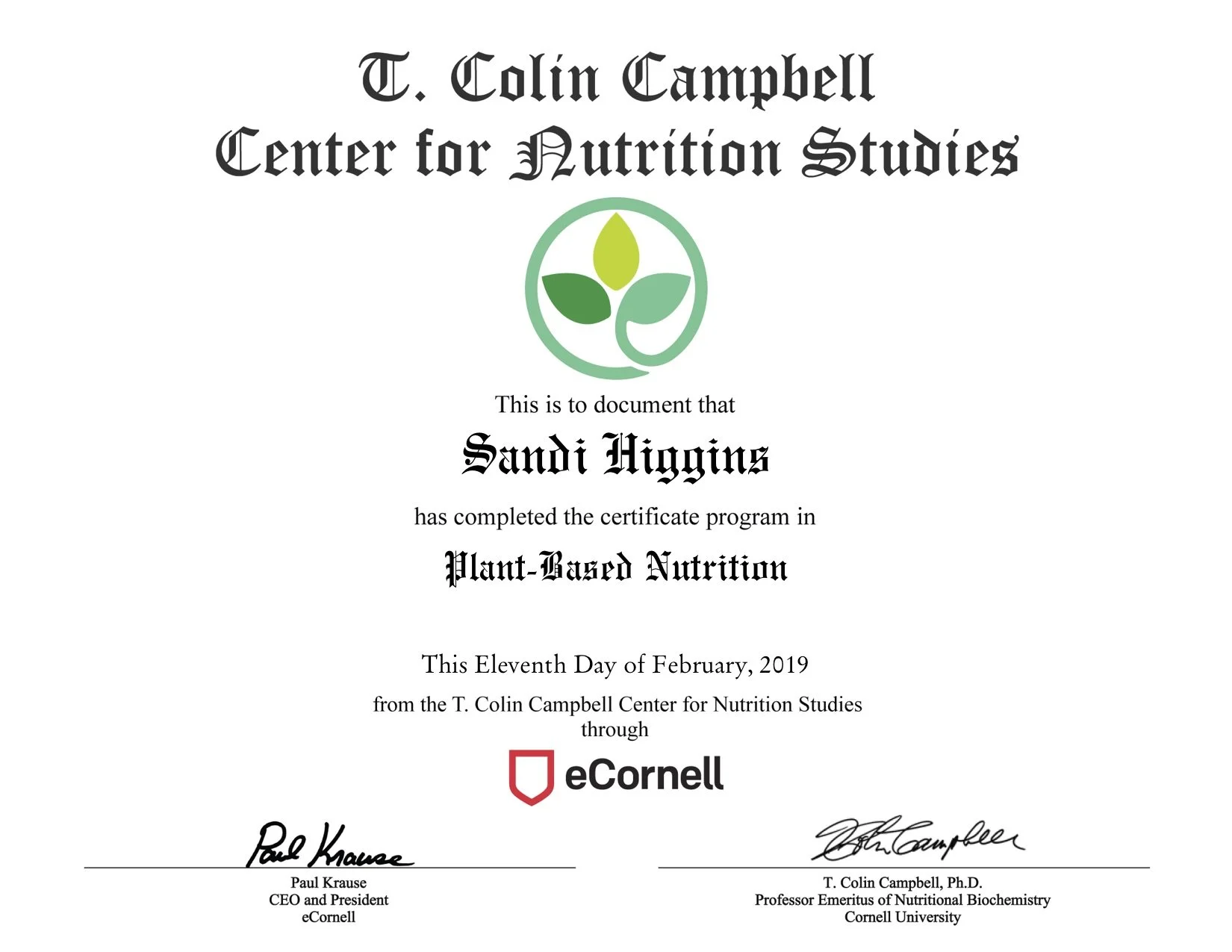
For me, the whole food, plant-based diet is about both science and spirituality. I first became a vegetarian at the tender age of ten years old, the only one in my birth family! Holding my own at the holiday table took conviction and courage, but plant recipes have given me plenty to celebrate. I later became fully vegan for fifteen years, beginning in 2009, and verified my understanding of the science behind my choices with the Plant Based Nutrition Certification at the T. Colin Campbell Center for Nutrition Studies in 2019. Recovering from a severe gastro-intestinal illness in India in 2024 led me reluctantly to reintroduce curd into my diet, which I was surprised to find so healing, physically and psychologically. Today, I continue to eat a predominantly whole food, plant based diet that is mostly vegan but does include some non-vegan elements such as curd, buttermilk, and honey. My diet continues to evolve through attention to my body-mind, reading, learning, and cultivating compassion for all beings and the environment.

care for and beyond ourselves
Plant-Based Living & Yoga Practice
Many yoga and meditation practitioners eat animal products. Yet practicing yoga today asks us to consider both what nourishes us and the systems our meals support. Modern animal agriculture raises questions about exploitation, animal suffering, and environmental harm, alongside concerns for human health. For those with access to varied, nourishing plant foods, eating animals is often a choice rather than the necessity it may have been for our ancestors. Plant based living offers at least three meaningful connections with yoga practice: ahiṃsā, reducing harm; mitāhāra, nourishing ourselves with moderation; and bhakti, bringing gratitude, care, and devotion to how we grow, prepare, and share food.
Ahiṃsā : Non-Harming. Compassionate footprints on the Earth.
Bring non-harming to the table through choices that care for fellow humans, animals and the environment.
(Ahiṃsā: Yoga Sūtra 2.30)Mitāhāra : Moderate eating. Delicious nourishment to support health, healing, and practice.
Enjoy wholesome vegetarian food in moderation, nourishing the body that supports your practice.
(Mitāhāra: Haṭha Yoga Pradīpikā 1.58–1.63)Bhakti : Love, kindness, and devotion. Cultivating and sharing food with divine remembrance.
Recognize relating with food (how it’s grown as much as how it’s eaten) as a way of relating with the divine, in kindness, gratitude, and love.
(Bhakti: Bhagavad Gītā 9.26)
Whether you’re simply curious about plant-based living, looking to get healthier, heal with the environment, help animals, and discover more about the science and spirituality of a plant-based diet, or you have already been living this way for a while, you’re welcome here.
We don’t have to change everything overnight. Little gradual shifts can lead to longer transformations!
Indian Cuisine
Home to one of the world’s richest and longest living traditions of vegetarian cooking, India has shown me how incredible and abundant that plant-based cooking and eating can be!
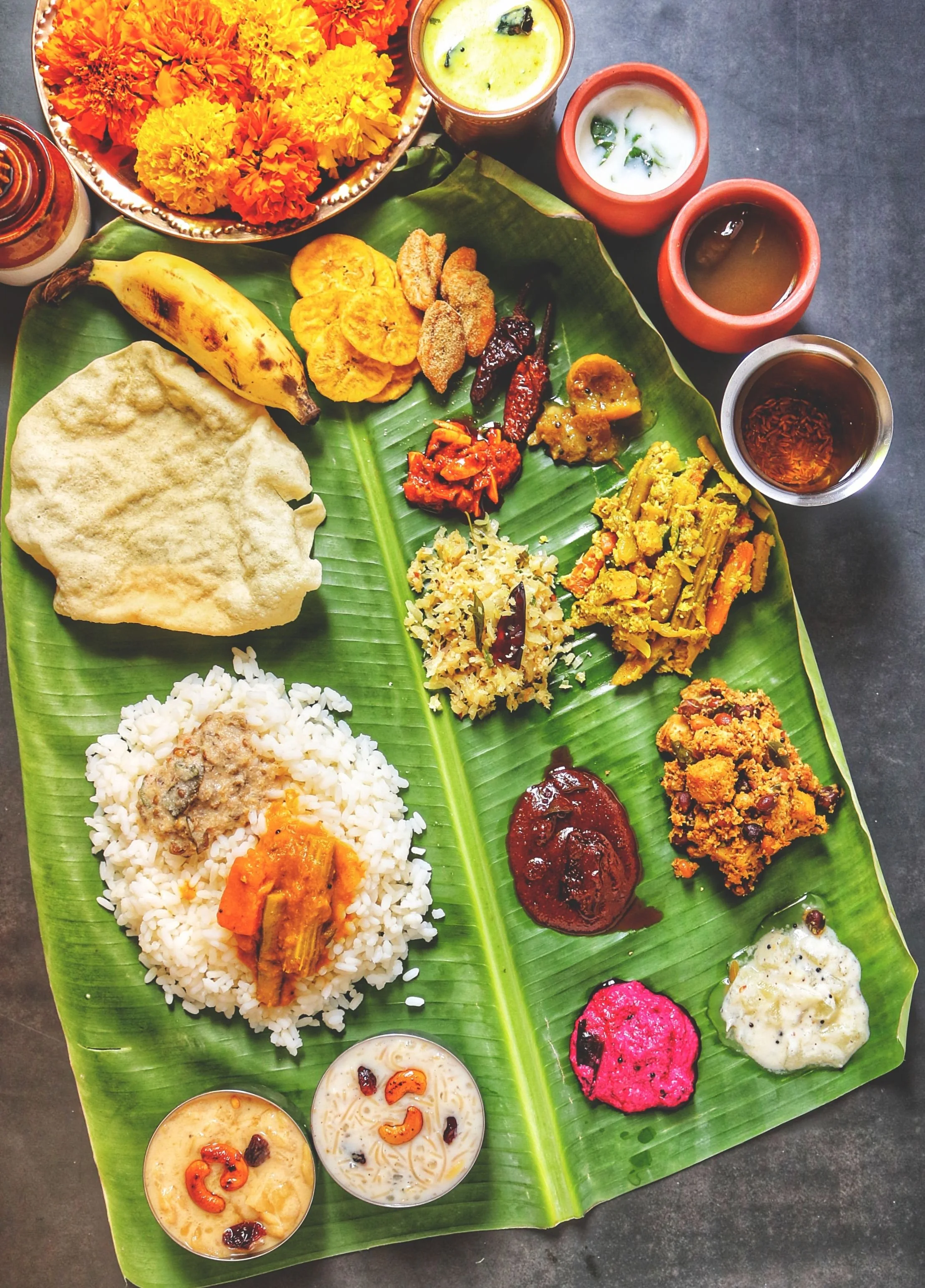
Across its regional kitchens, humble ingredients become meals of extraordinary variety, flavor, and ingenuity. A handful of lentils, a seasonal vegetable, a little grain, and carefully chosen spices can become something deeply satisfying.
The simplicity of the ingredients meets a sophisticated understanding of technique and the senses. Spices are toasted, ground, or tempered at different stages to develop layers of flavor, while the fragrance of curry leaves, cumin, and ginger invites us to enjoy a meal before the first bite.
Ayurveda’s understanding of rasa, or taste, recognizes six qualities: sweet, sour, salty, pungent, bitter, and astringent, offering a framework for attending to the character of our food. A rainbow of colors like leafy greens, golden dal, orange pumpkin, and ruby beetroot delights the eye and celebrates the variety of plants. Fermentation transforms rice and lentils into fluffy idli and crisp dosa.
Together, color, aroma, taste, and texture make nourishment a rich sensory experience, shaped by generations of observation, practice, and shared cooking.
From south to north, there is a lifetime(s) of delicious discovery.
My gratitude goes to the farmers, cooks, and hosts who have welcomed me to their fields and foods. They continue to expand my understanding of nourishment and remind me how much pleasure and possibility the plant world holds.
Bring some of that inspiration into your own kitchen!
Check out Holy Cow Vegan Indian recipes to discover regional favorites adapted without animal products. Some recipes include oils or refined ingredients, so choose or adapt them to suit your approach to whole foods.
“Food is the web of life.”
— Vandana Shiva, Resurgence & Ecologist